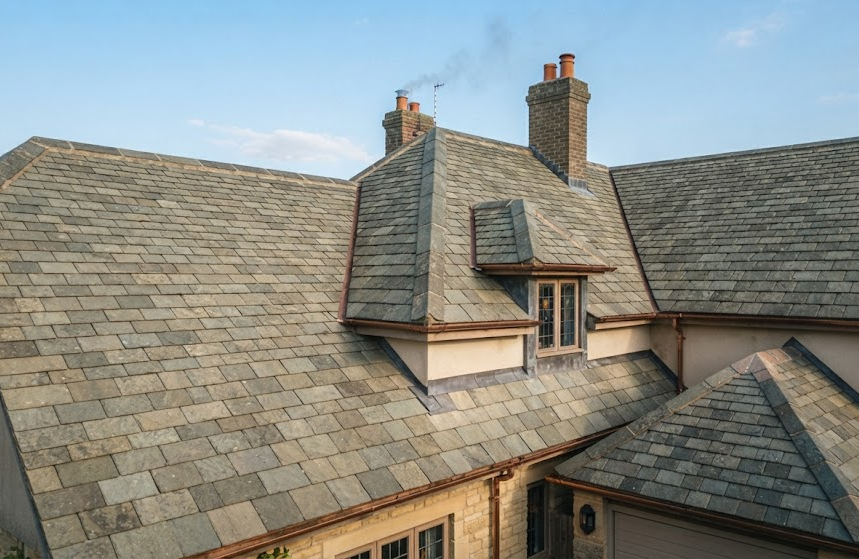
Your roof is one of the most critical components of your home, protecting everything beneath it from the elements. Yet many homeowners overlook warning signs that their roof needs professional attention until serious damage occurs. Identifying these warning signs early can save you thousands in repair costs and prevent costly water damage to your property. In this guide, we’ll explore the key indicators that it’s time to bring in the experts to assess and repair your roof.
Visible Damage and Wear
One of the most apparent signs of roofing issues is visible damage. Regular inspections can help you spot these problems before they escalate.
Missing or Damaged Shingles
Shingles are your roof’s protective elements, and any missing or damaged shingles can expose your home to potential leaks. Look for:
- Shingles that are cracked, curled, or broken.
- Entire shingles that are missing from your roof.
- Granules from shingles accumulating in gutters, indicating wear.
Leaks and Water Stains
Water stains on your ceilings or walls are often telltale signs of a roofing problem. Consider the following:
- Discoloration or dark spots on the ceiling can indicate water damage.
- Dripping water during rainstorms suggests a breach in the roof.
- Moisture in the attic or upper levels can lead to mold growth.
Age of the Roof
The age of your roof plays a significant role in its overall health. Different roofing materials have varying lifespans, and knowing when to replace or repair is essential.
Understanding Lifespans
Different materials will dictate how long your roof can last before needing major work:
- Asphalt shingles typically last 15 to 30 years.
- Metal roofs can last 40 to 70 years, depending on quality.
- Tile roofs generally have a lifespan of 50 years or more.
When to Consider Replacement
If your roof is approaching the end of its expected lifespan, pay close attention to its condition:
- Frequent repairs may indicate that replacement is more cost-effective.
- Visible deterioration may be more pronounced as the roof ages.
- Energy bills may rise due to poor insulation from an aging roof.
Environmental Factors
Environmental factors can significantly impact your roof’s condition. Understanding these can help you take proactive measures.
Severe Weather Conditions
Extreme weather events can cause immediate and severe damage to your roof. Be aware of the following:
- High winds can lift shingles or tiles, exposing underlying materials.
- Heavy rain can lead to leaks and subsequent water damage.
- Snow accumulation can add weight and stress to roofing structures.
Tree Overhang
Nearby trees can pose a risk to your roofing. Monitor your surroundings for:
- Branches that are too close and may fall during storms.
- Debris accumulating on the roof, which can trap moisture.
- Leaves clogging gutters, preventing proper drainage.
Signs of Mold and Mildew
Mold and mildew can indicate moisture problems related to roofing. These signs should not be ignored.
Unpleasant Odors
A musty smell in your home can indicate mold growth resulting from a leaking roof. Consider the implications:
- Mold can compromise indoor air quality and health.
- It often signals prolonged moisture exposure, which can damage the roof.
- Professional assessment may be required to treat both the roof and the home.
Visible Mold Growth
Spotting mold or mildew on or near the roof can signal significant issues:
- Mold growth in your attic or on ceilings can indicate leaks.
- Black streaks on shingles are often a sign of algae or mildew.
- Persistent mold issues can lead to structural damage if not addressed quickly.
Identifying the signs that your roof needs professional attention is vital for protecting your home. If you notice any of these indicators, it’s advisable to consult a professional roofing service to evaluate the situation. Taking prompt action can save you from more significant problems and costs down the line.