
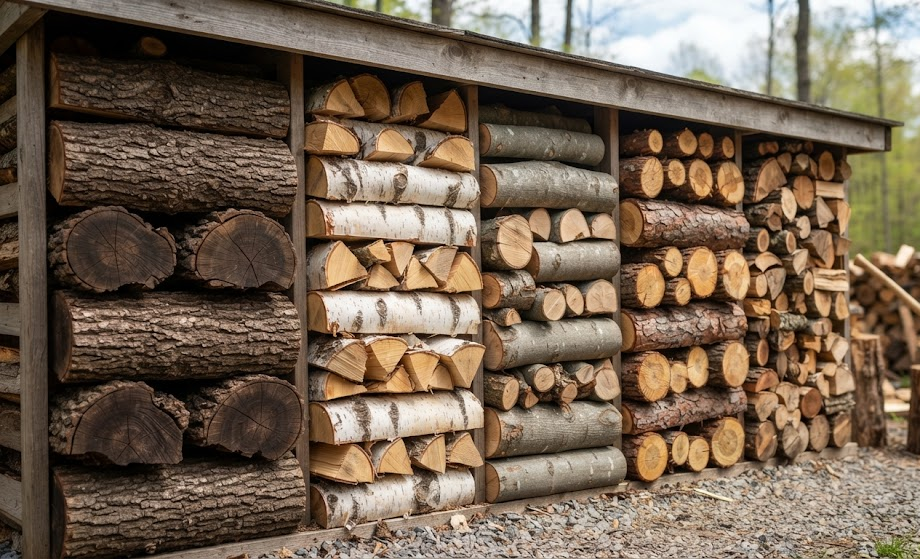
As winter approaches and temperatures plummet, the importance of choosing the right firewood cannot be overstated. The right choice can transform your home into a warm sanctuary, while the wrong firewood can lead to inefficiency and frustration. This article explores the essentials of selecting firewood, ensuring you make informed decisions that enhance both warmth and safety in your home.
Selecting the Right Firewood Species
Choosing the proper firewood species lays the groundwork for efficient heating in your home. Different types of wood exhibit varying burn qualities, affecting heat output, duration, and even how frequently you need to replenish your supply. Here’s a closer look at what to consider.
Understanding Hardwoods vs. Softwoods
When it comes to firewood, the general rule is that hardwoods outperform softwoods in terms of heat production and burn duration. Hardwoods like oak, hickory, and maple burn hotter and longer, making them ideal for sustained heating. In contrast, softwoods such as pine and spruce ignite quickly and are excellent for kindling but burn through more rapidly.
Top Hardwood Choices for Heating
For effective home heating, consider the following hardwoods:
- Oak: Produces between 24-29 million BTU per cord, offering a steady and long-lasting burn.
- Hickory: Burns hot and slow, providing a distinct aroma and excellent coals for overnight fires.
- Hard Maple: Offers a clean, even burn and is widely available in many regions.
Focusing on Proper Seasoning
The seasoning of firewood significantly impacts its burning efficiency. Properly seasoned firewood should have a moisture content of around 20%. This ensures that it lights easily, burns hotter, and minimizes creosote buildup in chimneys.
Identifying Well-Seasoned Wood
Identifying well-seasoned wood can save you from the hassles of burning green wood, which retains excess moisture and produces less heat. Look for:
- Cracks at the Ends: They indicate the wood is drying out properly.
- Grayish Exterior: A change in color can show it’s well-seasoned.
- Loose Bark: Bark that easily separates is a good sign of seasoning.
Checking for Density and Weight
The density of firewood affects its burn characteristics directly. Heavier, denser logs usually mean longer burn times and more heat output. Utilize a simple weight test: the denser the log feels, the better its performance is likely to be in a wood stove or fireplace.
Considering Local Availability and Cost
Local availability should be a key factor in your firewood selection process. Not only does this support local businesses, but it also ensures that the wood is fresher and often less costly due to reduced transportation needs. For example, in the Northeast, maple is plentiful, while those in the Southwest might find mesquite more accessible.
Mixing Species for Optimal Performance
Mixing different types of firewood can yield better results. Combining a slow-burning hardwood with quick-igniting softwood can create a beneficial synergy.
- Start your fire with softwoods like pine for easy ignition.
- Add hardwoods as the fire grows for long-lasting warmth.
Storing Firewood Correctly
Proper storage is essential for maintaining the quality of firewood. Even the best wood can spoil if not stored correctly. Here are some tips:
- Keep It Off the Ground: Use a firewood rack to prevent moisture absorption.
- Cover the Top: A tarp or roof keeps rain out while allowing airflow.
- Maintain Distance: Store wood at least 20 feet from your home to deter pests.
Using Efficient Heating Methods
Your choice of wood becomes even more critical if you are using a high-efficiency stove or fireplace. Denser hardwoods help these appliances reach optimal burn conditions, maximizing the heat produced from each load of wood.
Understanding Your Heating Needs
Assess your heating requirements carefully. Generally, homes using wood as the main heating source will need about 3 to 4 cords of wood in a winter season. Supplemental heating may only require 1 to 2 cords, depending on the home’s size and insulation quality.
Choosing the right firewood by professionals goes beyond mere preference; it significantly impacts your home’s heating efficiency, safety, and overall warmth. Understanding the various firewood species, their burning characteristics, proper seasoning methods, and effective storage solutions can guide you in selecting the best firewood for your needs.