Upgrading your vehicle with mobile window tinting can completely transform your driving experience, providing enhanced privacy, comfort, and protection from the sun’s harmful rays. Understanding the various factors that influence the quality of this service is essential for ensuring a satisfactory result. This guide dives into the critical aspects affecting mobile window tinting quality and helps you make informed decisions.
Assessing Material Quality for Tinting
The foundation of high-quality mobile window tinting lies in the material quality of the film used. High-grade films offer better durability, UV protection, and heat rejection compared to cheaper alternatives. When selecting a film, consider options such as ceramic, carbon, and dyed films, each possessing unique attributes.
Understanding Different Film Types
Choosing the right film type can significantly affect performance and longevity. Here’s a quick breakdown of the three primary types:
- Ceramic Films: Excellent heat rejection and UV protection, making them a premium choice.
- Carbon Films: Known for their aesthetic appeal and good heat rejection, these films are cost-effective.
- Dyed Films: Typically affordable but offer less heat rejection and UV protection compared to other types.
The material choice impacts not only aesthetics but also the functional attributes of the tint, which makes it essential to invest in higher-quality films for long-lasting results.
Evaluating Application Technique
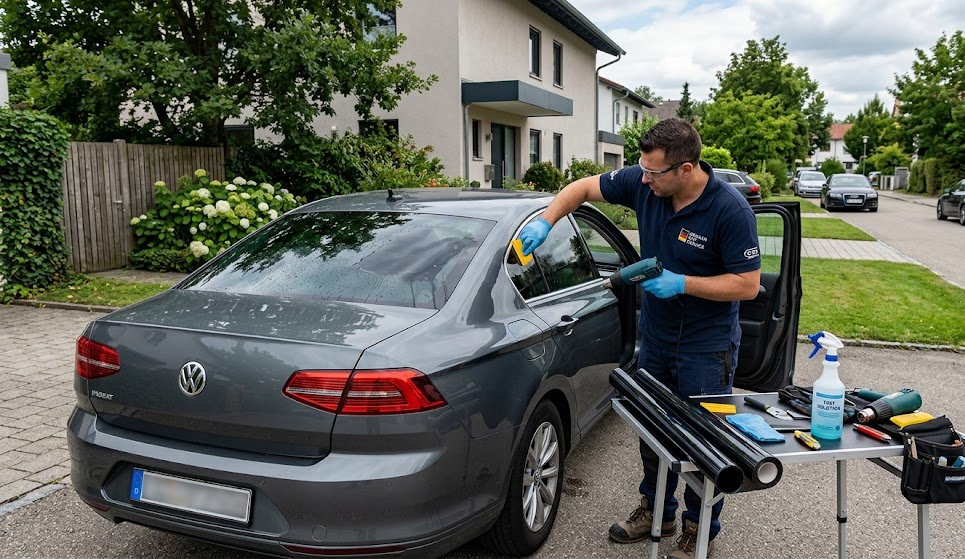
The application technique used by the installer is crucial for the quality of mobile window tinting. A meticulous process ensures that the film adheres properly to the windows, which enhances longevity and effectiveness. Here’s a closer look at the steps involved.
Key Steps in Application
During installation, professionals follow a structured process, typically including:
- Surface Preparation: Thorough cleaning of the windows to remove dust and oils, ensuring optimal adhesion.
- Film Cutting: Precision cutting of the film to match the exact dimensions of the windows.
- Application: Techniques like heat shrinking may be used to fit the film to curved surfaces.
A skilled technician’s experience can dramatically influence the quality of the installation. This is why choosing a reputable service is essential for achieving outstanding results.
Considering Film Thickness and Tint Darkness
The film thickness and tint darkness can also affect the performance and legal compliance of window tints. Thicker films typically provide added durability and UV protection, while the level of tint darkness impacts visibility and privacy.
Navigating Legal Requirements and Preferences
Before deciding on the level of darkness, it’s vital to understand local regulations concerning tinting. Here’s how you can navigate through this:
- Consult local laws to determine maximum allowable tint darkness.
- Consider the level of privacy you want versus visibility concerns.
- Think about the specific driving conditions—darker tints may impair visibility in low light.
Balancing these factors allows you to make an informed decision that aligns with both personal preferences and legal standards.
Deciding on Adhesive Strength
The adhesive strength of the film plays a pivotal role in its performance and longevity. A strong adhesive ensures that the film stays intact over time without peeling or bubbling.
Importance of Quality Adhesives
High-quality films employ advanced adhesives that offer:
- Durability: Withstand various weather conditions without degradation.
- Clarity: Maintain clear visibility without distortion.
- Easy Application: Allow for adjustments during installation, ensuring a perfect fit.
Installs that lack strong adhesive bonds are prone to issues like bubbling, which can diminish both the appearance and effectiveness of the tint.
Evaluating Installation Environment
The installation environment is another crucial factor affecting the outcome of mobile window tinting. Professionals often prefer clean, shaded areas to ensure optimal application conditions.
Ideal Conditions for Quality Installation
When scheduling your mobile tint appointment, consider the following:
- Minimize Wind and Dust: Dusty or windy conditions can interfere with the installation process, leading to imperfections.
- Access to Cover: A covered area can protect both the technician and the film from direct sunlight during application.
- Power Supply: Ensure that the technician has access to necessary power sources for equipment.
These decisions can minimize challenges and improve the final product quality, ensuring a flawless application.
Ensuring Durability and Warranty Considerations
The durability of the tint and warranty offered influence the overall value of the installation. A reputable company should provide warranties that cover fading, bubbling, and peeling—the hallmarks of poor-quality work.
Investigating Warranty Options
When selecting a mobile window tinting service, you should look for:
- Length of Warranty: Longer warranties often indicate confidence in the product and installation.
- Coverage Details: Look for specific details on what is included—coverage for peeling or discoloration is a must.
- Transferability: Some warranties may be transferable if you sell the vehicle.
Understanding these components ensures that you are making a wise choice for a tint that will last, providing value well into the future.
Mobile window tinting offers an excellent blend of convenience and functionality, but taking the time to consider each factor mentioned can significantly impact the outcome of your investment. By focusing on material quality, application techniques, and environmental conditions, you’re set for a successful and satisfying experience.