🏡 Walls play an important role in contemporary interior design. Beyond providing a smooth surface, they can introduce texture, depth and character into a room. Decorative plaster finishes offer an alternative to conventional paint and wallpaper, allowing homeowners to create distinctive interiors through subtle patterns, natural textures and varied surface effects. Understanding its main finishes, applications and maintenance requirements helps homeowners identify suitable options for their spaces.
Popular Decorative Plaster Finishes
✨ Decorative plaster comes in different forms, each producing a particular visual effect. The choice depends on the desired atmosphere, wall condition and overall interior design.
Venetian Plaster
Venetian plaster is known for its smooth appearance and polished finish. Traditionally made using lime-based materials and fine marble dust, it can reproduce the look of natural stone while creating a refined surface.
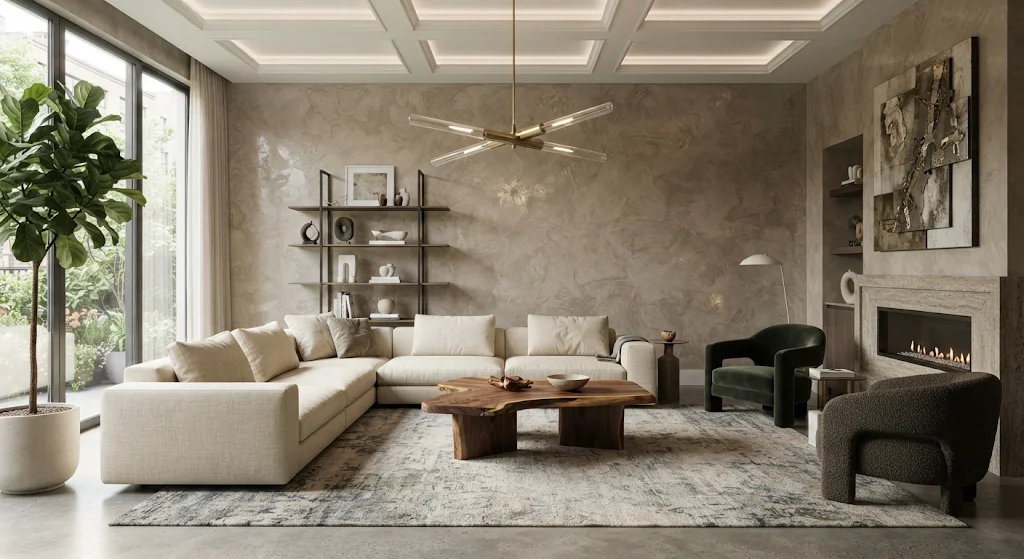
Its subtle variations and reflective qualities make it suitable for living rooms, entrance halls and feature walls. Depending on the application, the finish can range from softly matte to highly polished.
Venetian plaster works particularly well in contemporary interiors that combine elegant surfaces with neutral colours and natural materials.
Textured Plaster
Textured plaster introduces visible patterns and irregularities to walls. Depending on the application technique, it can create understated grain effects, pronounced reliefs or more organic surfaces.
This finish can add depth to otherwise simple rooms without relying on additional decorative elements. It is often used on accent walls, around fireplaces or in spaces where texture is an important part of the design.
Stucco Finishes
Stucco is a versatile decorative coating that can produce smooth, slightly uneven or stone-like surfaces. Its appearance depends on the material composition and application method.
In contemporary homes, stucco can bring a natural quality to interiors while maintaining a relatively understated aesthetic. Earthy colours, warm whites and soft greys are common choices for creating harmonious spaces.
Choosing the Right Plaster for Each Room
The suitability of a decorative plaster finish depends on the room’s function and exposure to moisture, stains and everyday contact.
Living Rooms and Bedrooms
Living areas provide considerable freedom when selecting decorative wall finishes. Venetian plaster can create an elegant focal point, while textured coatings introduce warmth and visual interest.
Bedrooms often benefit from softer finishes and muted shades that contribute to a relaxing atmosphere. In living rooms, a more pronounced texture can help distinguish an accent wall without overwhelming the furniture and accessories.
Kitchens and Bathrooms
Kitchens and bathrooms require greater attention to moisture resistance and cleaning requirements. Not every decorative plaster product is suitable for these environments.
Some systems can be protected with specialised sealers or finishing coatings, depending on the manufacturer’s recommendations. Before installation, homeowners should verify the product’s suitability for areas exposed to humidity, splashes and frequent cleaning.
Colours and Textures in Contemporary Interiors
🎨 Colour selection influences how decorative plaster interacts with lighting, furniture and other materials. Neutral shades remain popular because they highlight surface variations without making interiors feel visually crowded.
Common options include:
-
Warm beige: Creates a welcoming atmosphere and complements wood finishes.
-
Soft grey: Supports modern interiors with a restrained appearance.
-
Off-white: Helps rooms feel brighter while preserving subtle surface texture.
-
Earthy tones: Introduce natural warmth and pair well with stone or timber.
-
Deep shades: Add contrast and create distinctive feature walls.
Lighting also affects the final result. Natural daylight can reveal subtle variations, while directional artificial lighting may emphasise raised textures and surface irregularities.
Comparing Decorative Plaster Finishes
| Finish | Visual Appearance | Suitable Applications |
|---|---|---|
| Venetian plaster | Smooth and polished | Living rooms and feature walls |
| Textured plaster | Patterned and tactile | Accent walls and reception areas |
| Stucco | Natural and slightly irregular | Contemporary living spaces |
The final appearance also depends on the applicator’s technique, the preparation of the surface and the number of coats applied.
Maintaining Decorative Plaster Walls
🧽 Proper maintenance helps preserve the appearance of decorative finishes. Cleaning methods should always correspond to the material and protective coating used.
Homeowners should consider a few basic practices:
-
Remove dust with a soft cloth or suitable cleaning tool.
-
Avoid abrasive products that could damage delicate surfaces.
-
Clean stains using methods approved by the manufacturer.
-
Check for cracks, peeling or moisture-related deterioration.
-
Renew protective coatings when recommended.
Professional installation is also important because uneven preparation or incorrect application can affect the final appearance and durability.
Creating Distinctive Contemporary Interiors
Decorative plaster finishes offer a versatile way to introduce texture, elegance and individuality into contemporary homes. Venetian plaster, textured coatings and stucco each provide different aesthetic possibilities, while colour and lighting help shape the final atmosphere.
Selecting the right finish requires consideration of the room’s function, surface conditions and maintenance expectations. Consulting a decorative plaster expert can help homeowners identify suitable products and achieve a consistent, long-lasting result.