
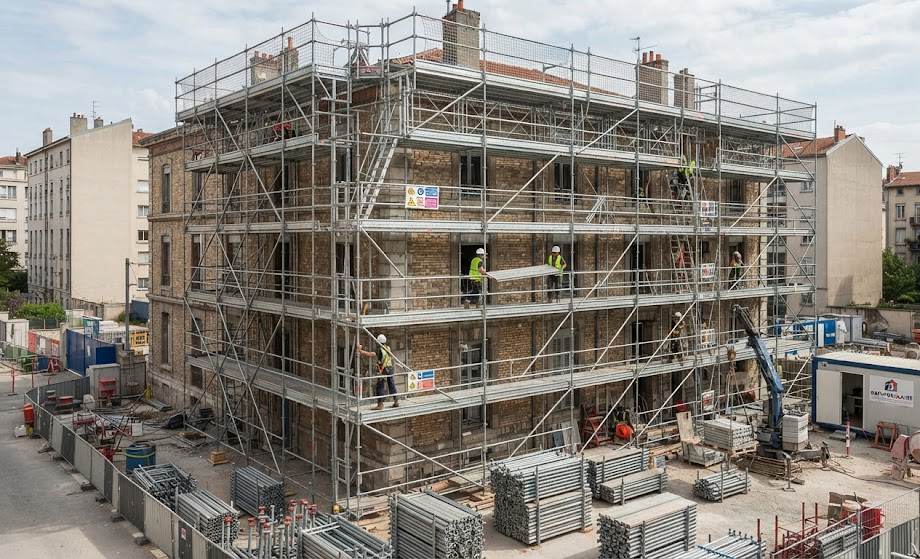
The construction industry faces increasing pressure to deliver projects faster and more efficiently. Modular scaffolding is emerging as a transformative solution that adapts to diverse site demands while enhancing worker safety and productivity. By understanding how this innovative system streamlines operations, we can appreciate its significant impact on modern construction.
Enhancing Site Efficiency with Modular Scaffolding
In today’s fast-paced construction environment, modular scaffolding has become a game-changer. These systems, designed from prefabricated components, allow for rapid assembly and disassembly, making them ideal for a variety of construction projects.
Understanding the Basics of Modular Scaffolding
Modular scaffolding, often referred to as system scaffolding, combines standardized elements such as vertical posts, ledgers, and diagonal braces. This structured approach facilitates quick setup compared to traditional tube-and-clamp systems, where numerous components can slow down progress. The integrated locking mechanisms ensure that each assembly offers stability and safety.
Flexibility to Meet Diverse Project Demands
One of the standout features of modular scaffolding is its flexibility. The system can be easily customized for various architectural designs, adjustments to irregular shapes, or to accommodate different elevation levels. This adaptability proves beneficial in both residential renovations and large industrial projects.
- Residential Projects: For smaller tasks like facade repairs or interior renovations, modular scaffolding offers safe, easy access without occupying too much space.
- Commercial and Industrial Projects: Larger structures and complex designs often demand scaffolding that can provide strength and versatility, allowing for configurations that wrap around equipment or tanks.
- Adaptability: The capability to reconfigure the scaffolding as project needs evolve prevents workflow disruptions and enhances overall site productivity.
Accelerating Project Timelines Through Speedy Assembly
Time is an essential resource on construction sites, and modular scaffolding significantly reduces setup time. Each component fits together seamlessly with precision-engineered joints, often utilizing advanced locking mechanisms.
Labor Cost Savings
With fewer components needed for assembly, fewer laborers are required to erect and dismantle the scaffolding. This not only reduces direct labor costs but also minimizes the time needed to complete projects. Contractors managing multiple job sites benefit immensely from this efficiency, as they can allocate labor where it’s most needed.
Impact on Project Schedules
Rapid installation translates directly to improved project timelines. With modular scaffolding, trades can begin their work sooner, keeping projects on track and often ahead of schedule. For instance, studies indicate that sites using modular systems experience a 25% reduction in assembly time compared to traditional setups, leading to significant time and cost savings.
Boosting Safety Standards on Construction Sites
Safety is paramount in construction, and modular scaffolding rolls out numerous features designed to enhance worker protection. Each component undergoes rigorous engineering to ensure maximum load-bearing capacity and stability while in use.
Enhanced Safety Features
Integrated features such as guardrails, toe boards, and compliant access points create a safer work environment. These improvements not only meet but frequently exceed occupational safety regulations.
- Precision Engineering: The use of prefabricated joints minimizes the likelihood of assembly errors.
- Built-in Protective Measures: Features like guardrails provide fall protection, significantly lowering the risk of workplace injuries.
- Consistent Safety Standards: Unlike traditional scaffolding systems that depend on external fittings, modular scaffolding maintains uniform safety across various configurations.
Cost Efficiency and Long-Term Value
While the initial investment in modular scaffolding may be higher than traditional systems, it often pays off through long-term savings and enduring durability. Built from high-strength materials, these scaffolds can withstand heavy use over time.
Durability and Reusability
One of the primary benefits is the durability of high-quality steel or aluminum components, which can be reused across multiple projects without compromising structural integrity—reducing material waste and lowering overall costs. Maintenance requirements are also light, allowing focus on project execution rather than repairs.
Environmentally Friendly Construction Practices
As the focus on sustainability continues to grow within the construction industry, modular scaffolding aligns well with eco-friendly strategies. The reuse of standardized components minimizes waste and optimizes material usage, ultimately lowering the carbon footprint of construction activities.
Promoting Green Building Initiatives
The lightweight design of modular scaffolding aids in logistics by reducing transport emissions. Moreover, minimizing material usage and promoting effective waste management fosters a more responsible construction environment. As companies strive for greener operations, the adoption of modular scaffolding is increasingly viewed as a practical step forward.
Conclusion: Embracing the Future of Construction
In summary, integrating modular scaffolding systems by experts enhances productivity, safety, and cost efficiency in construction projects. By adapting to diverse site requirements, these systems streamline workflows while contributing to sustainable building practices. The future of construction undeniably lies in embracing these modern solutions, ensuring projects are completed on time and within budget.