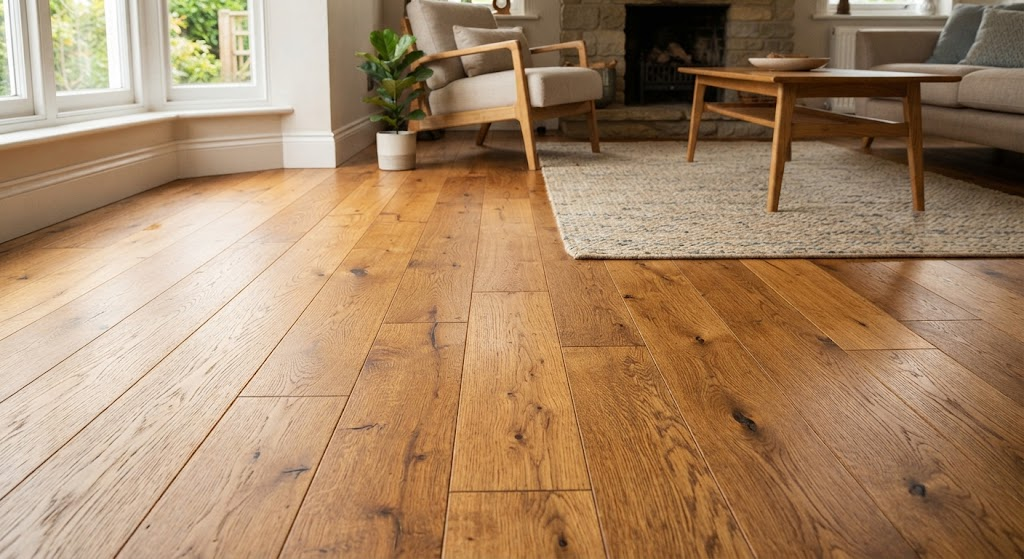
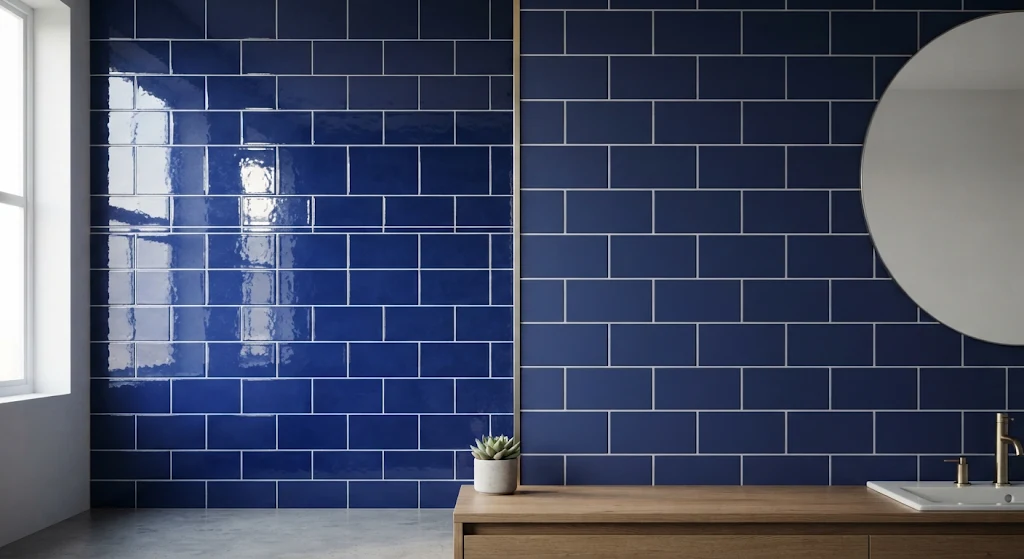
Color, pattern, and size may dominate the first tile-selection decisions, but the finish can change a room just as profoundly. Glossy and matte wall tiles differ in how they reflect light, reveal surface texture, and respond to everyday cleaning, so their impact extends well beyond appearance. Understanding the differences makes it easier to coordinate bathroom tiles, kitchen tiles, and other surfaces with both practical needs and interior design goals.
Comparing Glossy and Matte Wall Tiles
Both finishes are available in ceramic and porcelain, but their surface qualities create distinct visual effects. Consider how light, texture, and the room’s purpose work together before choosing.
Understanding Light Reflection and Surface Texture
Glossy wall tiles have a smooth, reflective surface that sends light back into the room. This can make a small or dim space feel brighter and more open, while intensifying color and patterns such as marble veining.
Matte wall tiles diffuse light rather than reflecting it sharply. Their quieter appearance can emphasize color depth and subtle surface texture, creating a grounded backdrop for cabinetry, fixtures, or decorative details.
Recognizing the Effect on Room Style
Gloss often suits crisp, classic, or high-contrast schemes, and can make a feature wall feel polished. Matte finishes commonly complement contemporary, natural, and minimalist interiors, where a restrained surface helps other design elements stand out.
The visual distinction is only part of the decision; cleaning habits and exposure to moisture also shape how each finish performs day to day.
Choosing Tile Finishes for Maintenance and Safety
Wall tile is not usually walked on, so floor-safety considerations should not be applied to it in the same way. Still, finish matters in wet rooms, particularly when selecting tiles for walls near showers, sinks, or cooking areas.
Managing Tile Maintenance in Busy Rooms
Glossy surfaces are generally quick to wipe, making them useful for backsplashes exposed to cooking splashes. However, their shine can reveal fingerprints, streaks, and dried water droplets, so they may need frequent attention to retain a spotless appearance.
Matte surfaces tend to conceal everyday smudges and water marks, which can make them visually forgiving in busy households. Deep cleaning may take more effort if the finish is textured, since residue can settle into its surface; follow the product maker’s care guidance.
Assessing Slip Resistance by Location
Slip resistance matters most when tile is installed underfoot, not simply because a wall tile has a glossy finish. For floors in bathrooms, kitchens, entryways, or outdoor areas, select products rated for the intended use and consider textured or matte options where moisture is common.
For wall applications, focus instead on water exposure, cleaning requirements, and the suitability of the tile for the installation. A finish that works beautifully on a backsplash may not be the right choice for a wet floor.
| Consideration | Glossy Finish | Matte Finish |
|---|---|---|
| Appearance | Reflective, polished, vivid | Soft, understated, textured |
| Light | Reflects light into a room | Diffuses light with less glare |
| Visible marks | Water spots and fingerprints show readily | Everyday marks are less noticeable |
| Common wall uses | Backsplashes and decorative features | Subtle feature walls and natural-looking schemes |
Matching Glossy and Matte Tiles to the Room
Once practical needs are clear, the finish can be matched to the room’s lighting and overall design. Comparing samples in the space itself helps reveal how changing daylight and artificial lighting alter their appearance.
Pairing Finishes in Kitchens and Bathrooms
Glossy kitchen tiles can reflect light across a compact backsplash and are convenient to wipe after food preparation. Matte wall tiles can soften a bathroom scheme or provide a calm contrast to bright fittings, while glossy shower surrounds offer a clean, luminous effect.
Mixing finishes can add dimension without making a room feel disjointed. These combinations are often effective when colors and materials remain coordinated:
- Pair matte floor tile with glossy wall tile, selecting flooring for the room’s safety needs.
- Use glossy accents against a matte field tile to create a controlled focal point.
- Repeat a shared color or material across both finishes for a cohesive result.
Evaluating Samples Before Installation
View samples vertically, since wall tiles interact with light differently from floor samples laid flat. Check them beside cabinetry, grout, and fixtures, and observe them in both daylight and evening lighting.
Tile selection is ultimately a balance of appearance, cleaning preferences, and intended use. A tile specialist or qualified installer can provide advice tailored to the room and help confirm that the chosen product suits its installation conditions.