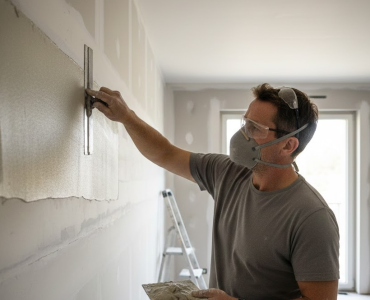
When a pipe bursts in a warm, dry place like Indio, water can spread quickly through floors, walls and cavities. Acting in the first hour reduces the area affected, lowers repair costs and limits mould growth. These steps assume you are safe and able to move around the house; if the situation involves electrical hazards or you feel unsure, evacuate and call emergency services.
Read through the checklist below so that you can move confidently. The goal is to stop the flow, protect belongings, remove standing water and start the drying process immediately.
1. Stop the water
Shutting off water is the single most important action. Locate your main shut-off valve (usually where the supply enters the house, near the water meter, in a garage, or a utility closet). Turn it off fully. If you can’t find the main valve quickly, shut off the leaking fixture’s individual valve — for sinks, toilets and appliances there are usually local isolation valves.
If the pipe burst is on a hot-water line, turn off the water heater to prevent additional flow and to avoid scalding when repairs begin. For safety with electrical systems, cut power to affected areas if water is near sockets, panels or appliances; do not touch water while standing on wet floors near live power.
2. Protect people and valuables
Move people and pets away from wet areas. Remove small valuables, paperwork, electronics and sentimental items from the affected rooms and place them on higher, dry surfaces. If the floor is carpeted, lift rugs and roll them up; if rugs are too large to remove, fold and prop edges to allow air under them later.
For furniture, raise legs on blocks or aluminium foil under wood legs to prevent water wicking; for upholstered items, place plastic or wood beneath the legs if possible. Don’t attempt to move heavy, waterlogged furniture by yourself — wait for help to avoid injury and further damage.
3. Remove standing water within minutes
Standing water is the main driver of further damage. Use a wet/dry vacuum, mop, towels or buckets to remove as much water as you can in the first 20–40 minutes. Concentrate on low spots, near baseboards and at door thresholds where water collects. Even a few centimetres (an inch or two) of standing water left for hours can seep into subfloors and wall cavities.
If the flood is deep, don’t wade in alone — water can conceal hazards and make surfaces slippery. Wear rubber boots and gloves. Keep children and non-essential people out of the area until water is controlled.
4. Start drying immediately — why speed matters
Drying must start fast because porous materials absorb water quickly and become mould-friendly within 24–48 hours. Southern California’s heat can accelerate evaporation of surface water but also increases humidity; that combination can drive moisture into structural wood, drywall and insulation where it becomes trapped and hard to remove.
Begin forced air movement as soon as standing water is removed: open windows and doors if outside air is drier than inside; use household fans to move air across wet surfaces; position dehumidifiers to lower indoor humidity. If available, box fans and carpet blowers directed along the floor and up walls will accelerate drying and limit moisture migration into concealed spaces. Continue active drying until materials no longer feel damp and relative humidity in the space is consistently below 50%.
5. Drying techniques specific to Southern California homes
Homes in desert-adjacent climates often have stucco, plasterboard and wood-framed construction. These materials trap water in wall cavities and beneath finishes. To dry these effectively:
- Remove baseboards and drill small inlet holes in drywall near the floor to allow air to reach cavities if there are signs of water behind the wall.
- Lift carpet and underlay; roll and dry separately. Underlay is highly absorbent and may need replacement if saturated.
- Inspect insulation — wet batt insulation is a thermal and mould risk and usually must be cut out and replaced.
- Use dehumidifiers sized for the affected area; small household units are useful for single rooms, whole-house or commercial-grade units are needed for larger or deeper losses.
Starting these measures within an hour reduces the depth of moisture migration and the amount of material that will ultimately need replacement.
6. Document damage and get professional help
Photograph and inventory damaged items and affected areas while you work — take wide shots and close-ups with timestamps if your camera provides them. This documentation is important for insurance claims and for contractors assessing repairs. Avoid throwing away damaged items until you’ve recorded them, unless they present a health or safety hazard.
Call your insurance company to report the loss and follow their instructions on mitigation and claims. Many policies require prompt action to prevent additional damage. For extensive water intrusion, contact a water-damage restoration professional; they bring commercial extraction, drying and moisture-measuring equipment, and can advise on whether structural elements or insulation must be removed.
If you want a local cost perspective for repairs and drying, consult independent US-focused resources such as Indio burst pipe guide for regional estimates and typical scopes of work.
7. Preventive steps after repairs
Once the immediate crisis is handled, identify the root cause of the burst pipe and repair it properly. Common causes in Southern California include frozen lines in poorly insulated spaces during cold snaps, corrosion, joint failure and pressure surges. Consider insulating exposed pipes, installing pipe wraps in unheated areas, and ensuring outdoor hoses are disconnected and valves closed seasonally.
Replace damaged porous materials — drywall, insulation and carpet underlay — rather than attempting cosmetic fixes over wet cores. Schedule a moisture inspection or thermal scan before closing up repaired walls to confirm dryness. Finally, review and update your home emergency plan so that shut-off locations and contractor contacts are known to everyone in the household.
Immediate, organised action within the first hour after a burst pipe vastly reduces the area affected, limits mould risk and shortens the recovery timeline. Stopping the water, removing standing water, and beginning aggressive drying are the critical priorities — after that, documentation and professional assessment guide repair and restoration.