
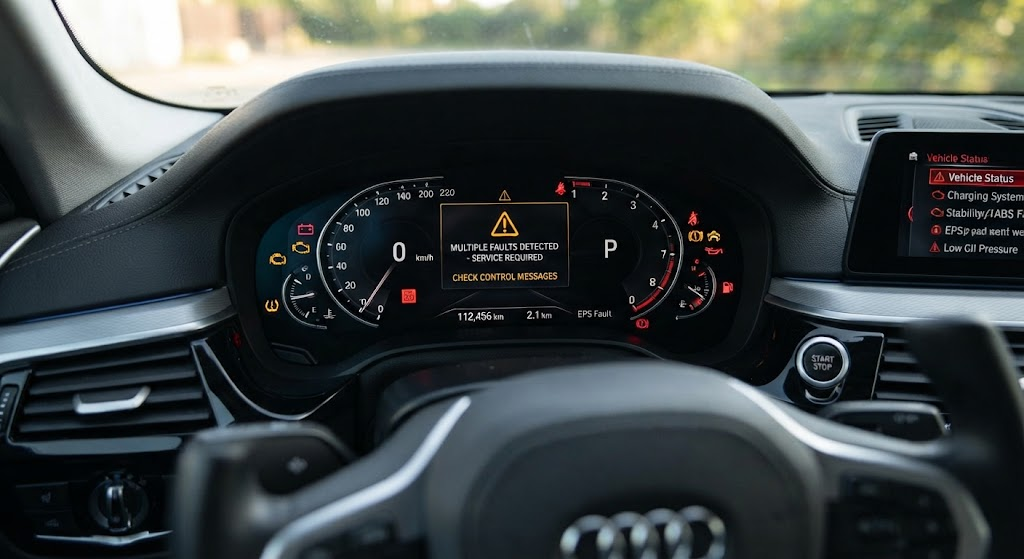
Modern European vehicles are equipped with advanced technology that enhances their performance and safety. A significant aspect of this technology is the array of warning lights on the dashboard, which communicate vital information about the vehicle’s condition. Understanding these warning lights can help drivers maintain their vehicles effectively and prevent potential issues.
Types of Warning Lights
Warning lights in a European car can be categorized into two main types: indicator lights and warning lights. Each serves a different purpose and requires appropriate attention.
Indicator Lights
Indicator lights typically signal that a system is active or functioning correctly. Here are some common examples:
- The engine management light indicates that the vehicle’s engine management system is operational.
- The ABS light signals that the Anti-lock Braking System is activated.
- The tire pressure warning light alerts the driver of low tire pressure, which can affect safety.
Warning Lights
Warning lights indicate issues that may require immediate attention. Understanding these lights is vital for safe driving.
- The check engine light signifies that the vehicle’s engine requires diagnostic testing.
- The oil pressure warning light indicates low oil pressure, which can lead to engine damage.
- The battery warning light shows a problem with the vehicle’s electrical system or battery.
Common Warning Light Meanings
Each warning light has a specific meaning that can help drivers diagnose problems quickly. Familiarizing yourself with these meanings can save time and prevent costly repairs.
Engine Warning Light
The engine warning light is one of the most crucial indicators. Its illumination can signify various issues. Here are some potential problems:
- Faulty oxygen sensors may affect fuel efficiency and emissions.
- Issues with the catalytic converter can lead to inefficient engine performance.
- Problems with ignition coils may cause misfires and engine stalling.
Brake Warning Light
The brake warning light can indicate multiple issues related to the braking system. Understanding its implications is vital for safety:
- Low brake fluid levels can lead to reduced braking performance.
- Worn brake pads may compromise stopping power.
- A malfunctioning ABS system needs immediate inspection to ensure safe braking.
What to Do When a Warning Light Illuminates
When a warning light comes on, it’s essential to respond appropriately. Ignoring these signals can lead to severe vehicle damage or safety hazards.
Assess the Situation
Before taking any action, assess the situation to determine the best course of action:
- Check if the light is flashing. Flashing lights typically indicate a more urgent problem.
- Refer to the vehicle’s owner manual for specific guidance on the warning light.
- Consider the vehicle’s performance. Is it driving normally, or are there noticeable changes?
Seek Professional Help
In many cases, it’s best to consult a professional mechanic. Their expertise can ensure the issue is diagnosed correctly:
- They can perform advanced diagnostics using specialized tools.
- Professionals have experience with European vehicles, ensuring accurate repairs.
- Regular servicing can prevent minor issues from escalating into major problems.
The Importance of Regular Maintenance
Regular maintenance is essential for keeping your vehicle in optimal condition. It helps prevent warning lights from appearing in the first place.
Benefits of Regular Servicing
By adhering to a regular maintenance schedule, vehicle owners can enjoy several advantages:
- Improved vehicle reliability and performance.
- Early detection of potential issues, reducing repair costs.
- Enhanced safety through timely brake and tire checks.
How to Maintain Your Vehicle
Implementing a regular maintenance routine can keep your vehicle running smoothly. Here are key aspects to consider:
- Schedule routine oil changes to ensure engine health.
- Regularly check and maintain tire pressure for safety and efficiency.
- Inspect brake components periodically to ensure optimal performance.
Conclusion
Understanding warning lights in modern European vehicles is vital for maintaining your vehicle’s safety and performance. Regular maintenance and prompt attention to warning lights can prevent costly repairs and ensure a smooth driving experience. If you ever find yourself uncertain about a warning light, don’t hesitate to seek professional assistance for expert guidance and service.