
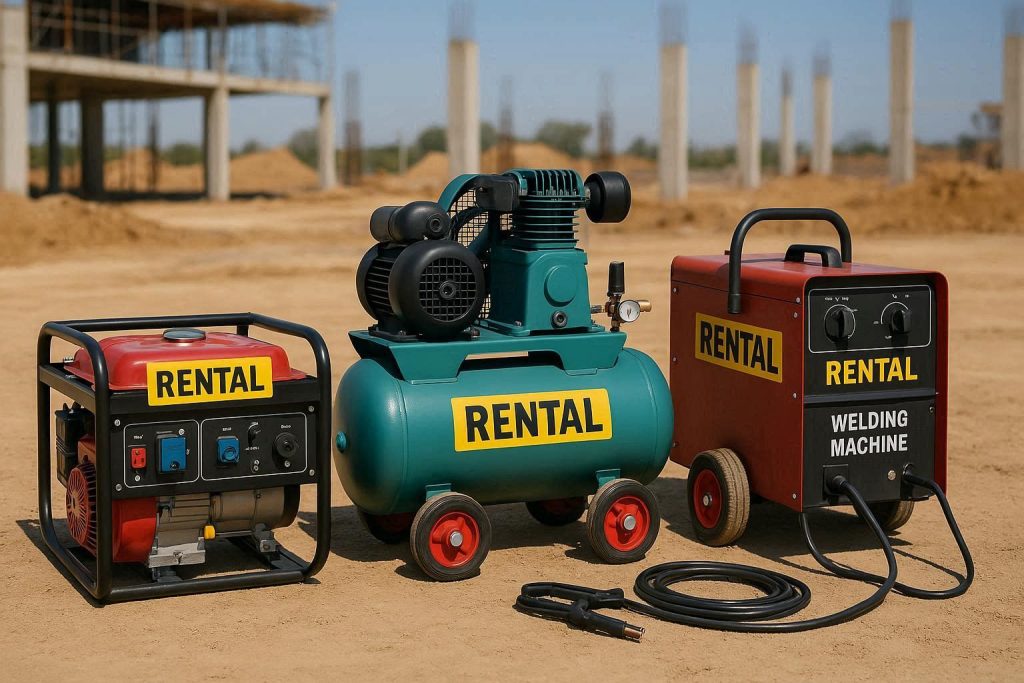
Buying specialized tools for occasional use doesn’t make financial sense. Rental equipment is always maintained and up-to-date. You only pay for what you actually need and use.
Initial Cost Savings
Lower Upfront Investment
One of the most immediate financial advantages of renting equipment is the significantly lower upfront cost. Purchasing industrial machinery often requires substantial capital investment, which can strain budgets, especially for small or medium-sized businesses. Renting allows companies to access high-quality tools without the burden of a hefty initial payment.
Budget Flexibility
Renting also provides enhanced financial flexibility. With rental agreements, businesses can choose the duration based on their project needs, ensuring they only pay for the equipment while it is in use. This adaptability prevents cash flow issues that can arise from a large one-time purchase.
Maintenance and Repair Costs
Included Maintenance
When renting equipment, maintenance is frequently included in the rental agreement. This means that businesses are not responsible for the upkeep costs associated with wear and tear, which can be substantial over time. Rental companies ensure that their equipment is regularly serviced, reducing the risk of breakdowns and associated costs.
No Repair Burden
In the event of a malfunction, rental companies typically handle repairs. This alleviates the financial burden on businesses, allowing them to focus on their core operations rather than worrying about fixing equipment. This can lead to significant cost savings, especially for companies that rely heavily on their tools for daily operations.
Tax Advantages
Tax Deductions
Renting equipment can also provide tax benefits. Rental payments are often considered operational expenses, which can be fully deducted from taxable income. This can lead to significant tax savings, further enhancing the financial appeal of renting versus buying.
Avoiding Depreciation
When a business purchases equipment, it must account for depreciation over time, which can reduce the asset’s value on the balance sheet. Renting eliminates this concern, as rented equipment does not appear as a depreciable asset. This can improve a company’s financial ratios and overall financial health.
Access to Advanced Technology
Staying Current
The equipment market is constantly evolving, with new technologies emerging to improve efficiency and productivity. By renting, businesses can regularly upgrade to the latest models without the financial burden of purchasing new machines. This access to advanced technology can enhance a company’s competitive edge and operational efficiency.
Specialized Equipment
Certain projects may require specialized equipment that a company does not use frequently enough to justify a purchase. Renting allows businesses to access this specialized machinery when needed, avoiding the cost of owning equipment that would otherwise sit idle.
Flexibility for Project Needs
Project-Specific Requirements
Different projects may necessitate different types of equipment. Renting provides the flexibility to choose the right tools for each job without being tied down to one type of machinery. This can lead to better project outcomes and enhanced customer satisfaction.
Seasonal Demand
For businesses that experience seasonal fluctuations in demand, renting equipment can be a strategic way to manage costs. During peak seasons, companies can rent additional machines to meet increased demand without the long-term costs associated with purchasing extra equipment that may be underutilized during slower periods.
Risk Mitigation
Reduced Financial Risk
Renting equipment minimizes the financial risk associated with ownership. If a piece of machinery is found to be unsuitable for a specific task, businesses can simply return it without incurring a loss. This adaptability is particularly beneficial in industries where project requirements can change unexpectedly.
Insurance Considerations
Rental agreements often include insurance coverage, which protects businesses from liability in the event of damage or accidents. This can reduce the need for companies to purchase additional insurance, leading to further savings.
Equipment rental eliminates storage costs and maintenance headaches while ensuring access to quality tools. For recommendations on the right equipment specifications for your project, consult with an equipment rental expert.